
Kitchen notes, not a diet club
Short notes from the hob: calories, shopping, salt and oil, sugar, freshness.
Topics
 Calories
 How to choose
 Potatoes
 No meat
 Freshness
 Bunch
Bunch Meat
Meat Fish
Fish Dairy
Dairy Soup
Soup Plate
Plate Berries
 Onion
Onion Eggs
Eggs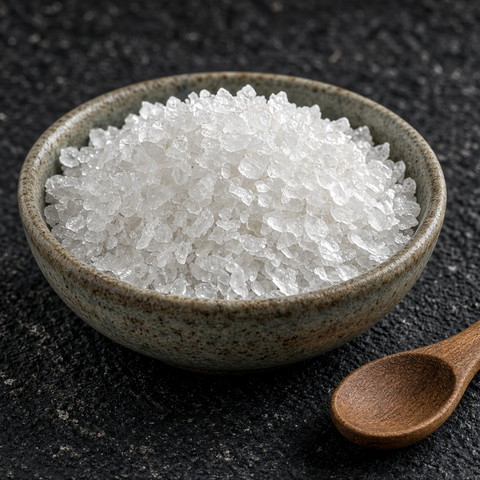 Salt
Salt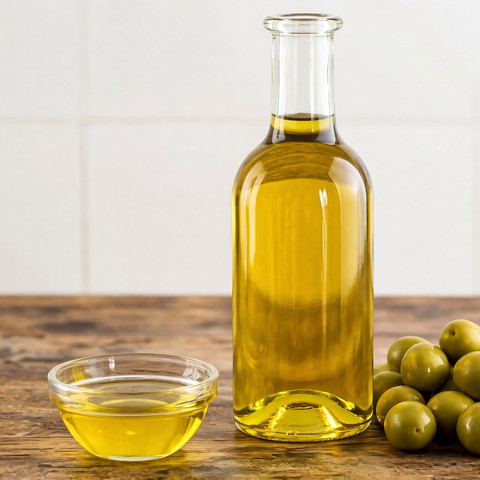 Oil
Oil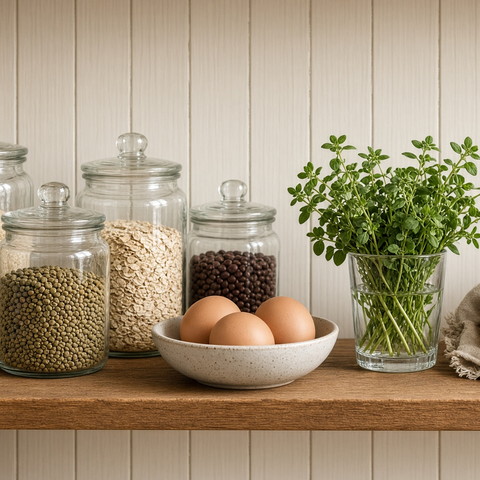 Storing
 Bread
Bread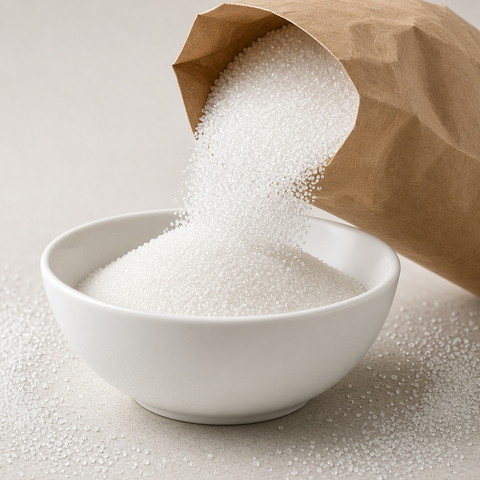 Sugar
Sugar Water
Water Leftovers
 Freezer
 Herbs
Herbs
Start here
How many calories a day — a calm number, not a diet
UK advice often starts at about 2,000 kcal a day for women and 2,500 for men. That is a starting line, not a sentence. Here is how to use it in a home kitchen.
How to choose
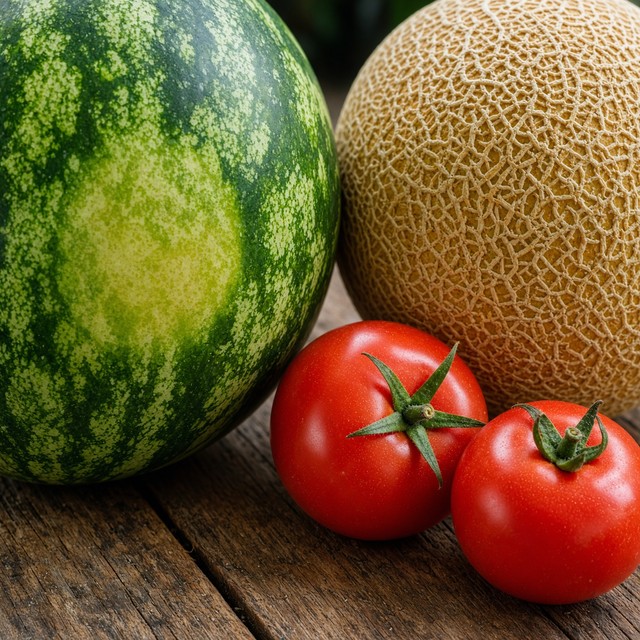
Watermelon, melon, potatoes: how to choose so you are not cross at home
The same rule at the market and in Tesco: look, listen, smell. The potato variety decides the dish more than dear versus cheap.
Potatoes
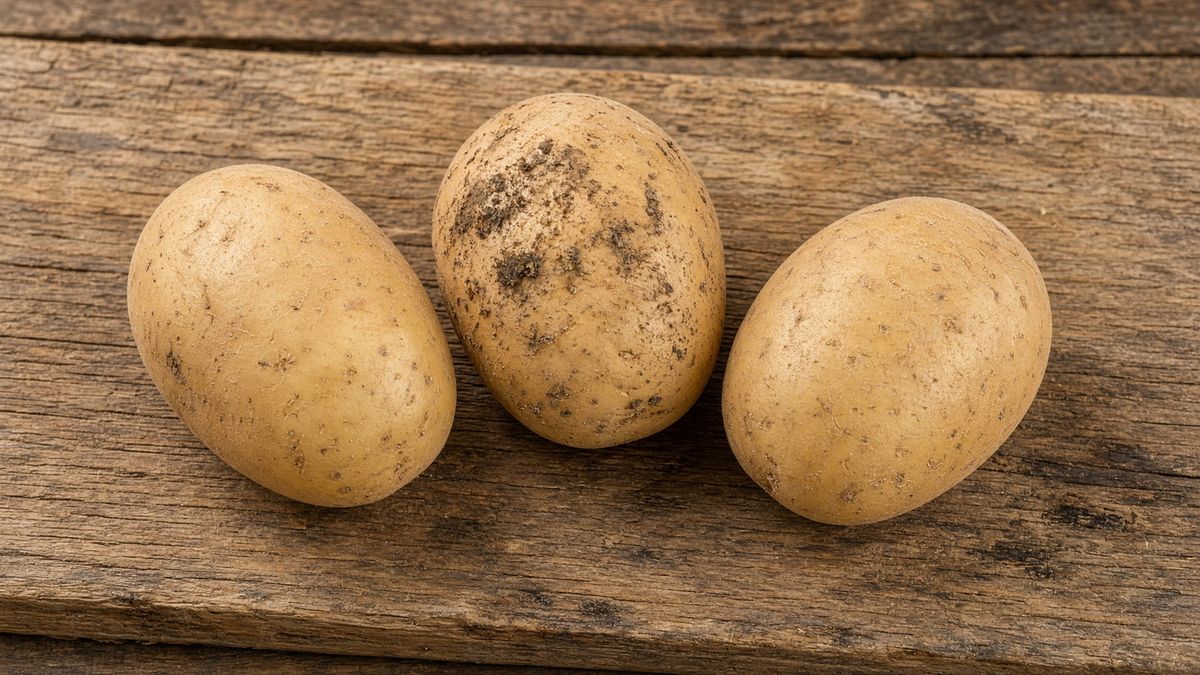
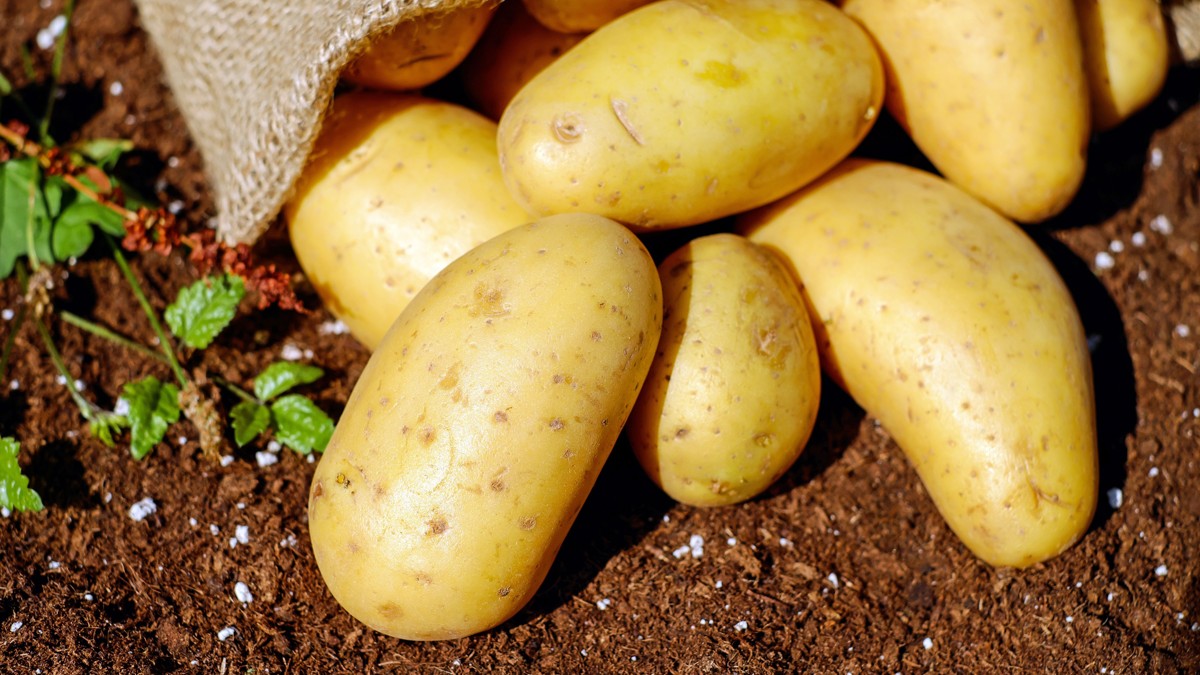
Potatoes: when they are still good
Potatoes live in the dark. In the light they turn green and decide it is time to grow.
No meat
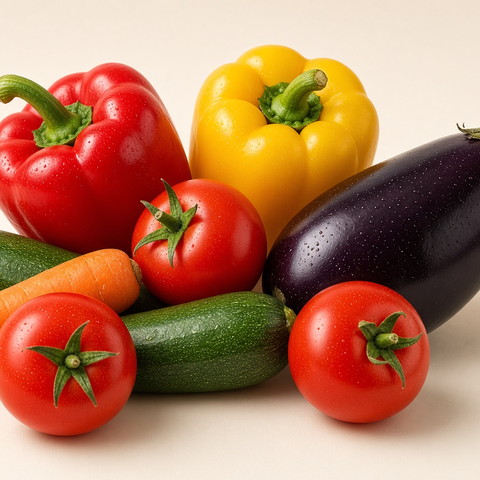
A plate without meat — not a vegan manifesto, just supper
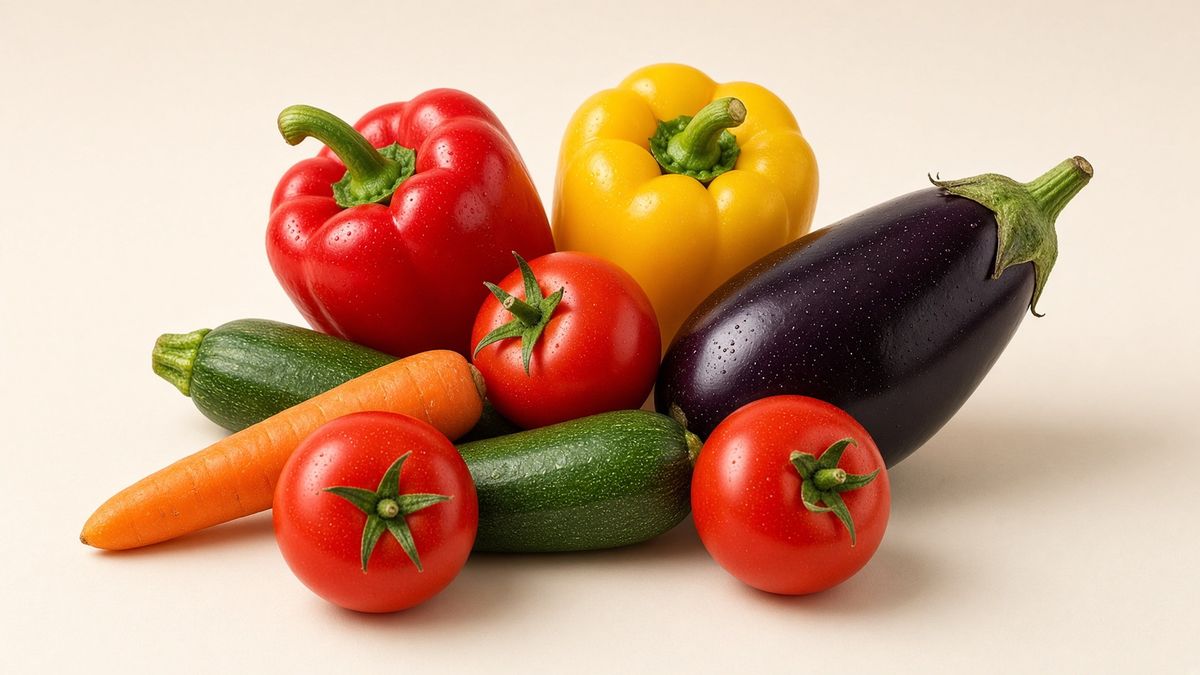
A fast, the purse, guests who do not eat meat — ordinary on this hob. Protein from eggs, beans, mushrooms, curd. Flavour from onion, oil and patience.
Freshness
How to tell with your eyes that food is still alive
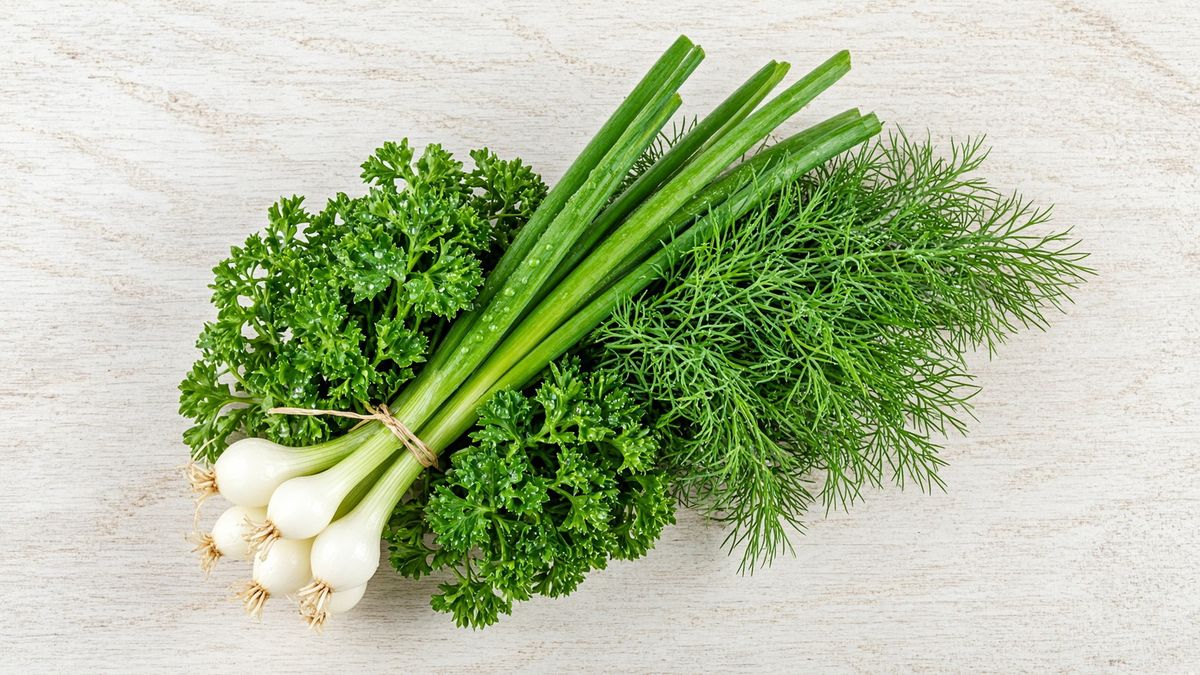
The date on the pack is a hint. Nose and eye are kinder. Especially eggs, herbs, milk and fish. Throwing food away hurts; being ill hurts more.
Bunch
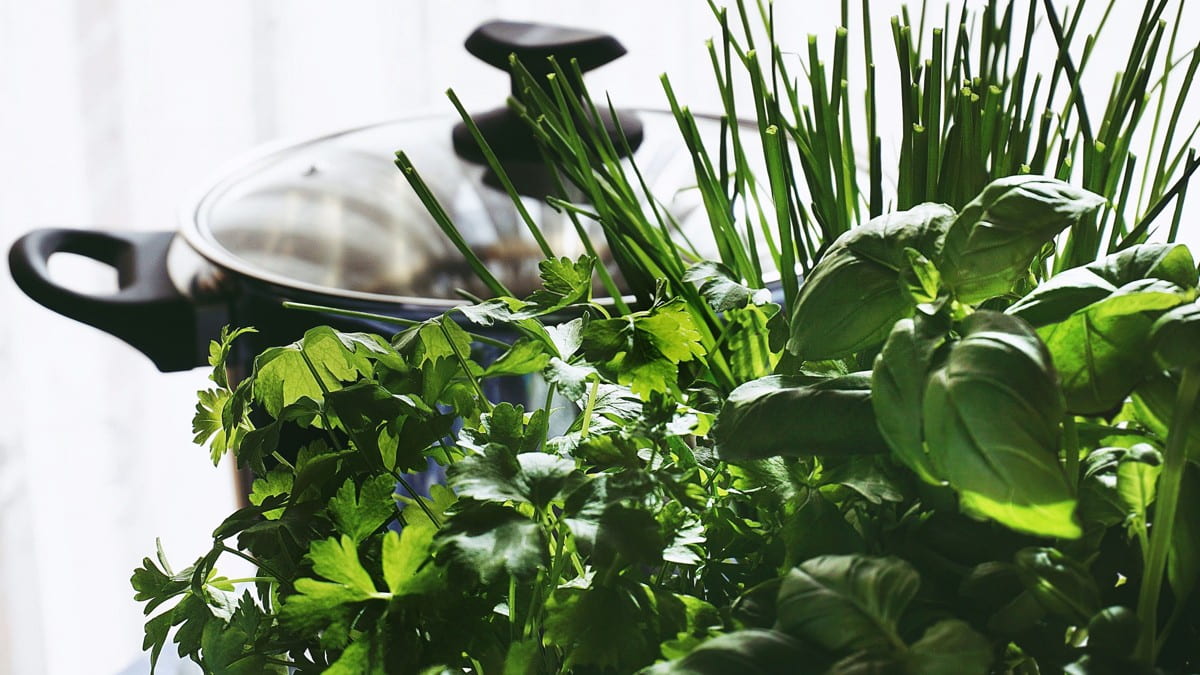
How I choose greens at the shop
At the shop near home I do not look at the price first — I smell.
Meat
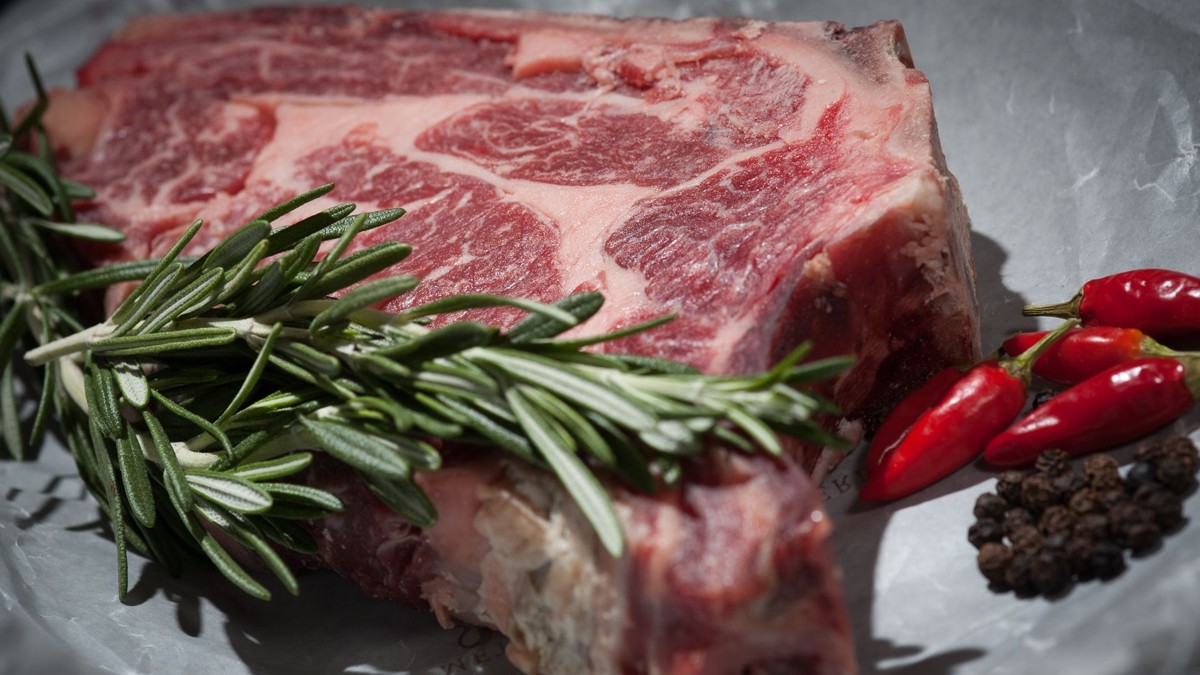
How I tell if meat is fresh
I am a woman who fries cutlets at home and does not want the kitchen to smell of doubt.
Fish
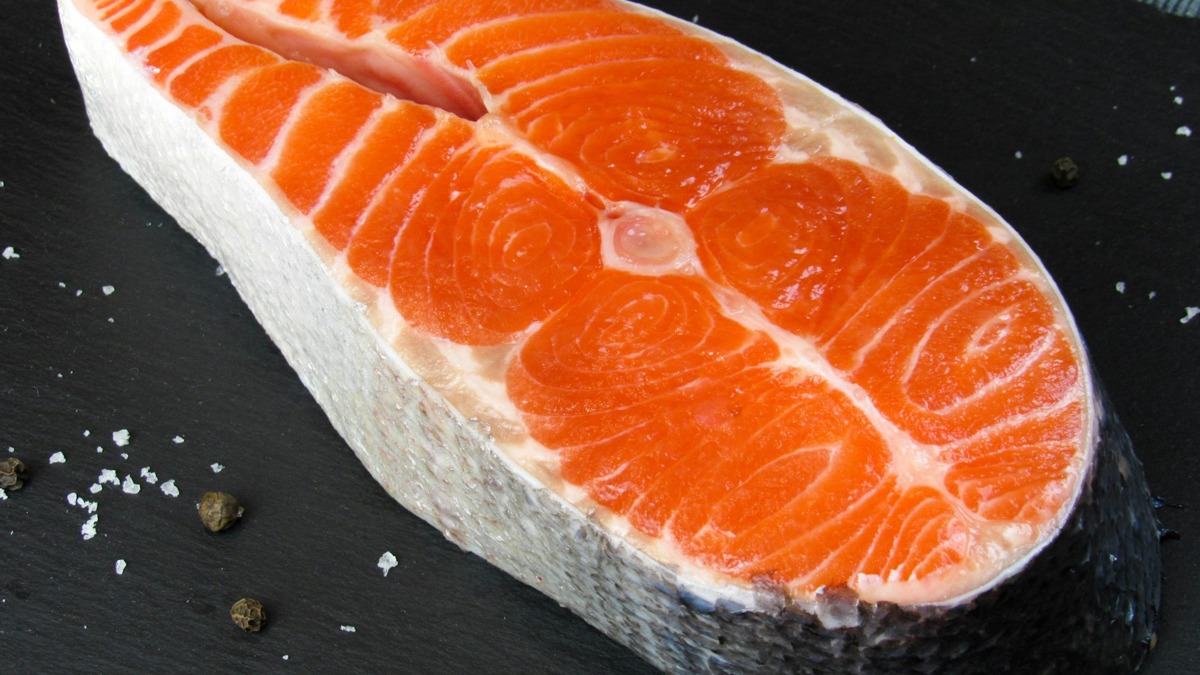
Fresh fish without a market stall
A fillet should shine like a wet stone. The smell — sea and cucumber, not ammonia.
Dairy
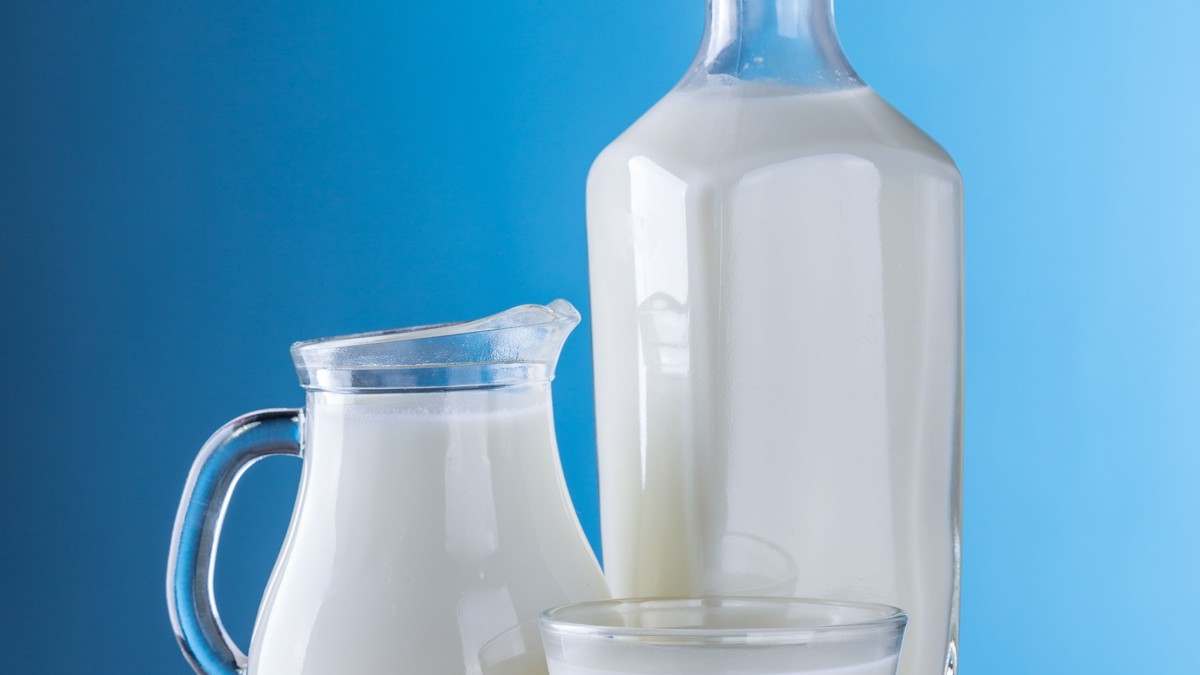
Milk, cream and yoghurt in the fridge
Milk, cream and yoghurt live in the cold. The nose often knows before the date on the pack.
Soup
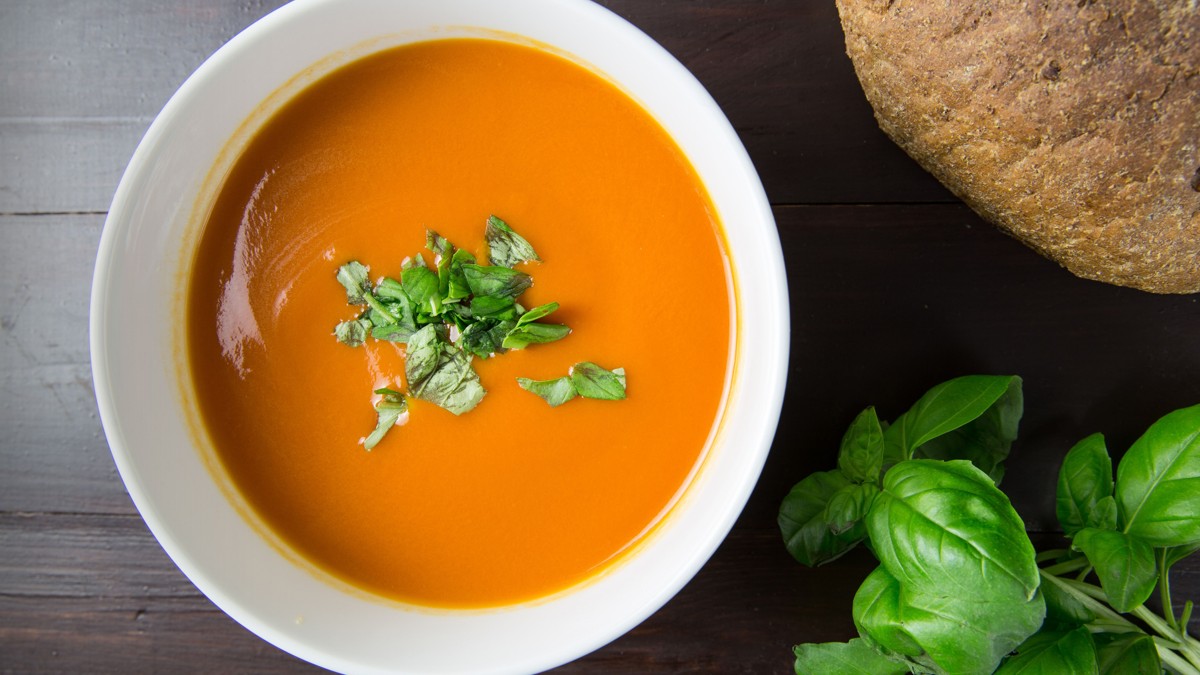
A pot on the hob makes the house lived-in
When it is grey outside, a pot on the hob makes the house lived-in at once.
Plate
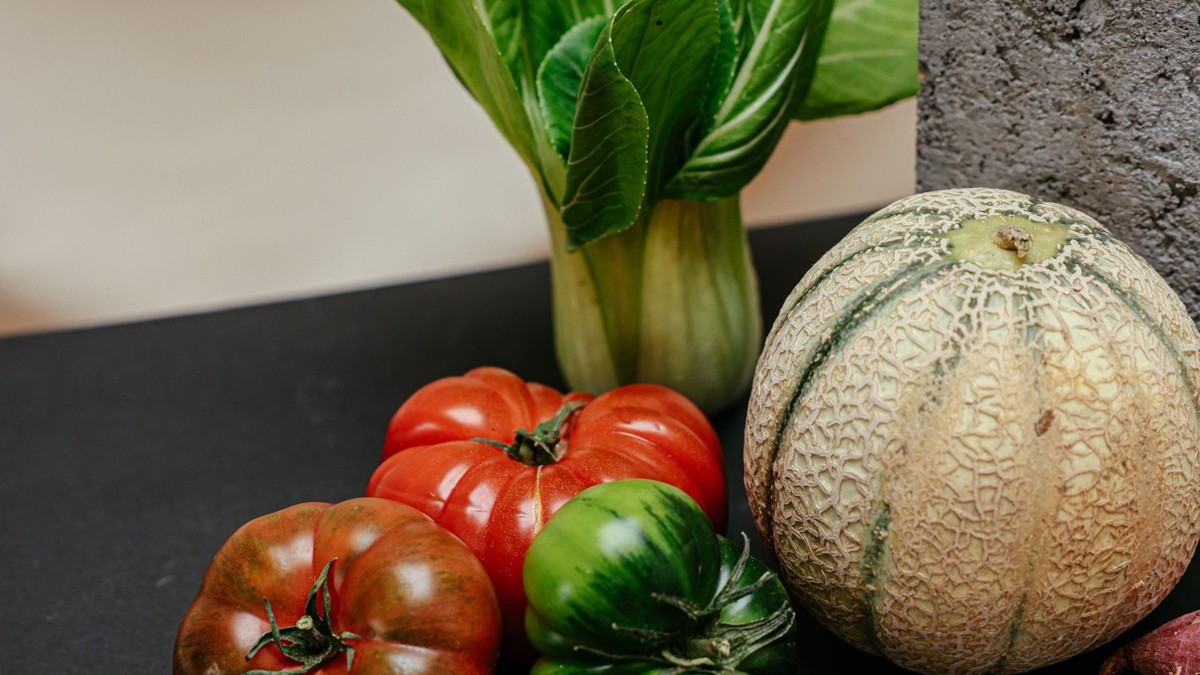
A plate with colour: veg next to the cutlet
A cutlet alone on a white plate looks orphaned.
Berries
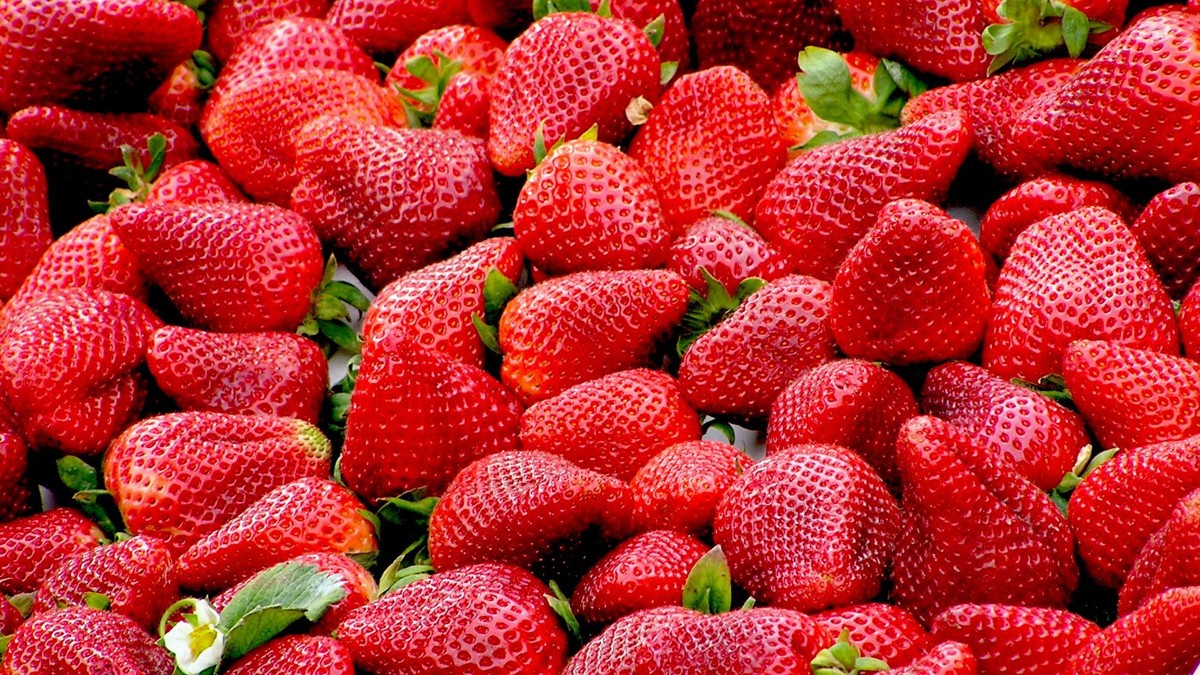
How I wash berries and greens
I do not hold berries under a strong tap the way I hold a pot after borscht.
Onion
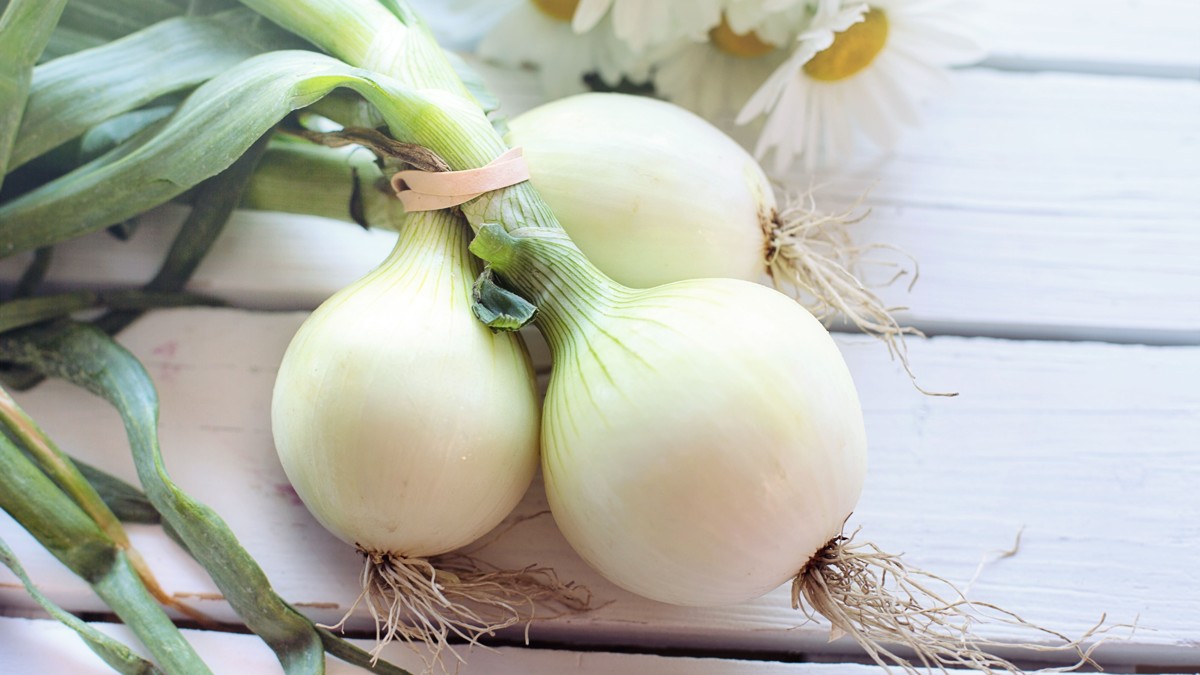
Onions and garlic that haven’t died in the bowl
Onions in my house do not live in a closed bag in a damp kitchen.
Eggs
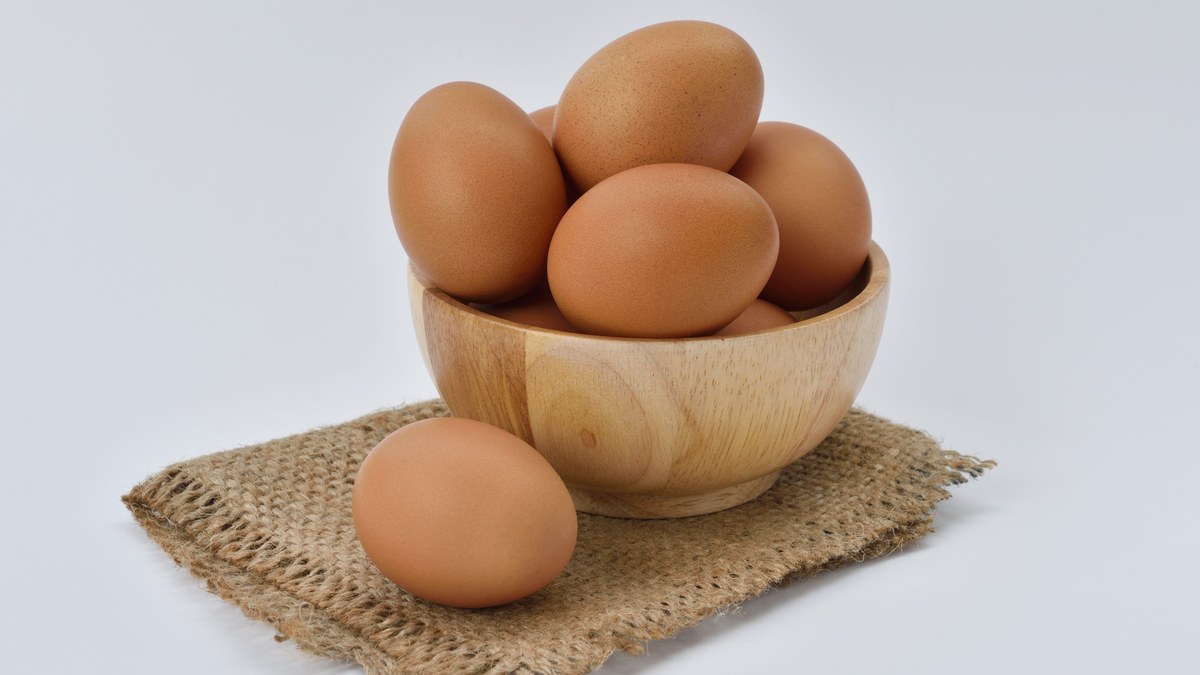
Eggs — what I look at
In the shop I look at the shell: clean, no cracks, no slime. Freshness matters more than brown or white.
Salt
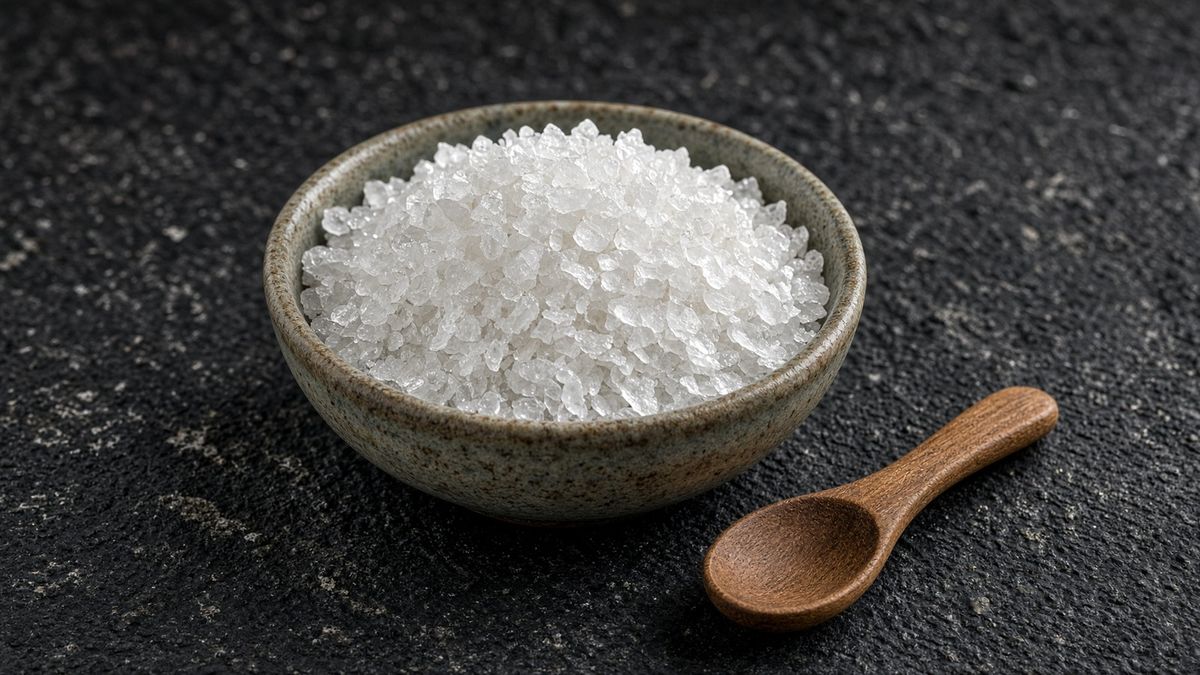
Salt — to taste, not by the packet
In this kitchen salt is neither enemy nor medal. A pinch in the potato water, a pinch in the mince, and a spoon on the table so each person finishes their own plate.
Oil
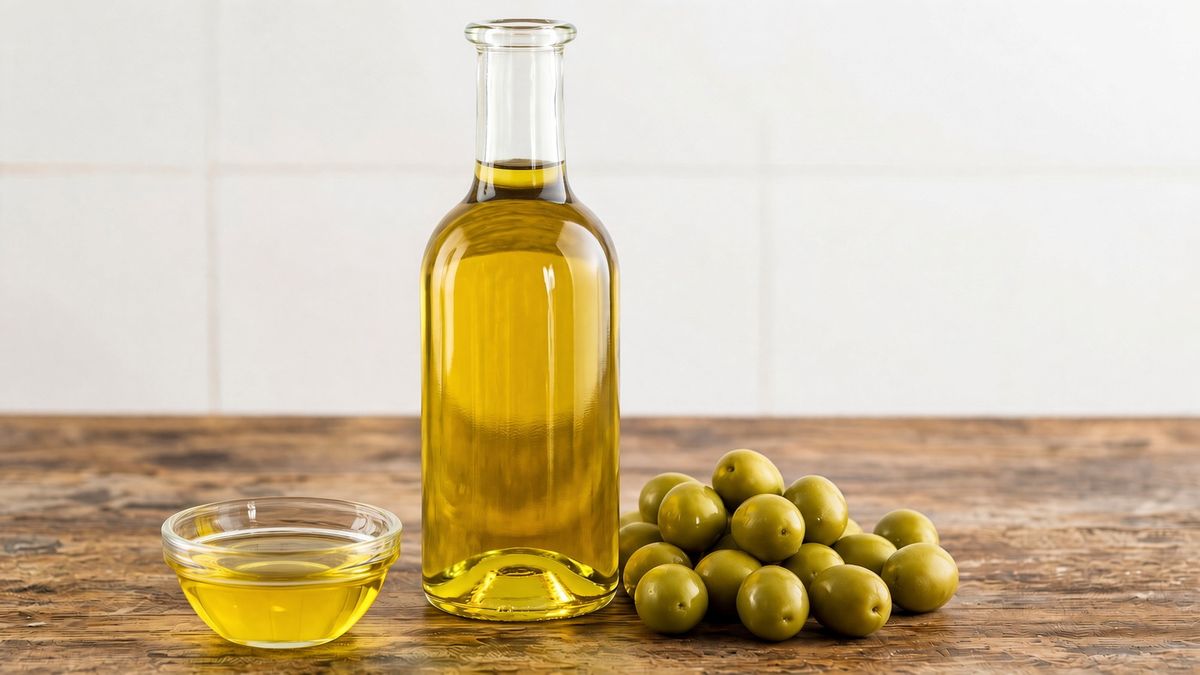
Which oil for which pan
Sunflower for a hot pan. Olive for salad and a finish. Butter for eggs and cake. A tablespoon is already a portion, not a splash.
Storing
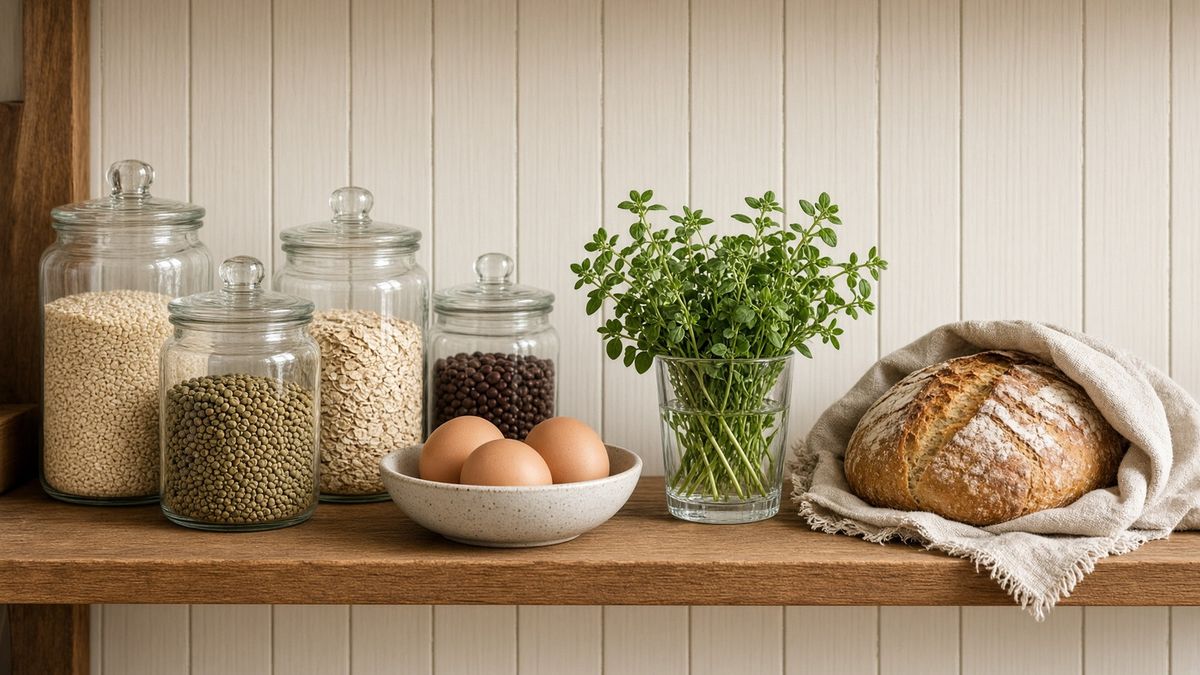
How to store so you are not binning it
The date on the pack is a hint. The fridge, a jar and your nose decide more. Bread in a bag sweats; herbs without water wilt overnight.
Bread
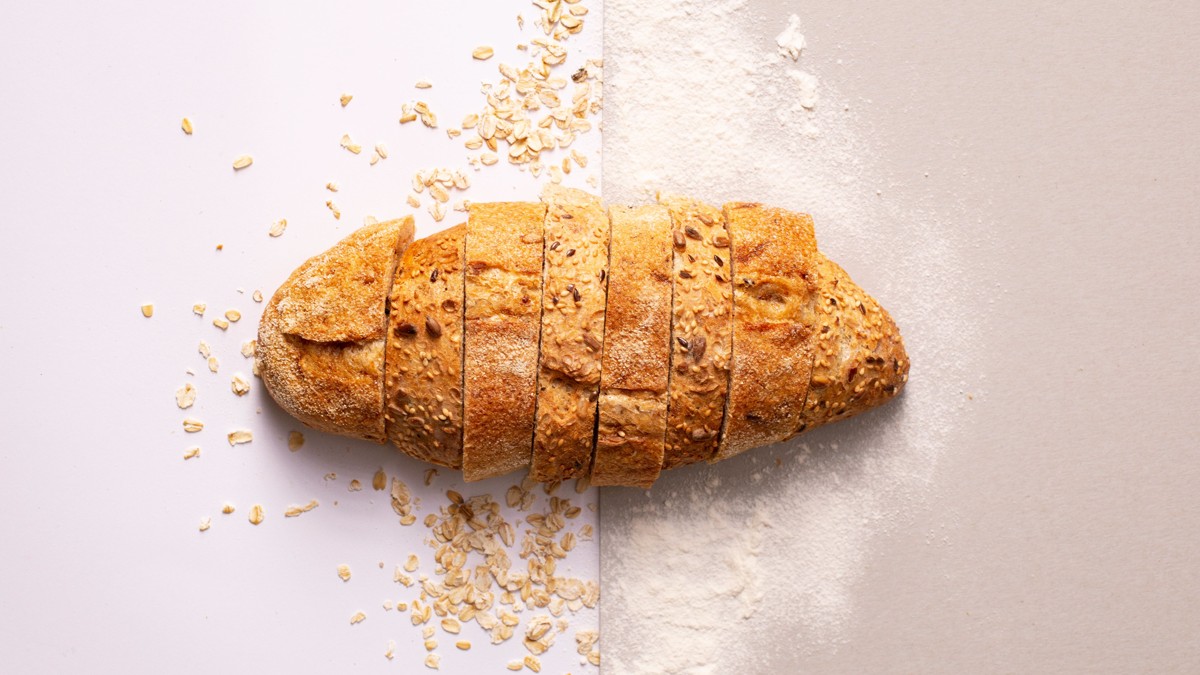
Bread that is still alive
Living bread smells of crust and warmth even when it has cooled. Dead bread smells of paper and fridge.
Sugar
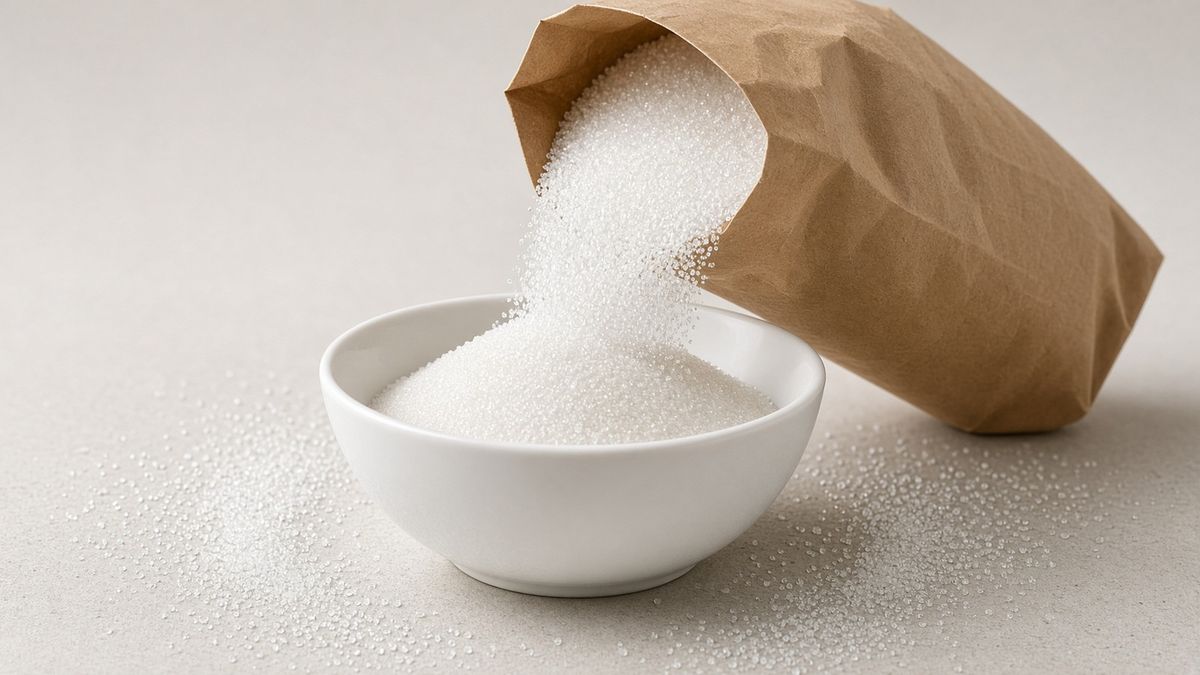
Sugar in a cake is not only sweetness
In dough, sugar feeds the yeast and keeps the crumb soft. In jam it also keeps. In tea it is your choice: a teaspoon is a teaspoon.

Water
Why I keep a jug of water on the table
If water is not in sight, a hand reaches for a sweet bottle. A jug on the table is part of the furniture of the meal, not a poster rule.
Leftovers
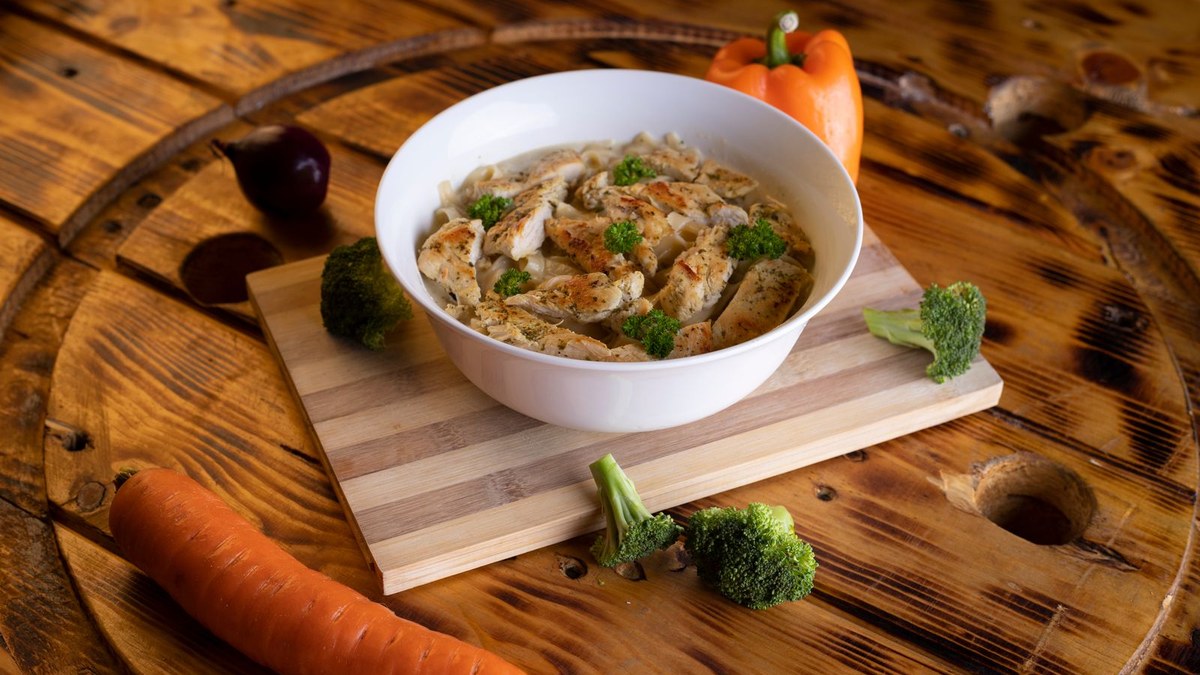
Yesterday's roast chicken — tomorrow's pot, not a sad fridge shelf
After Sunday's roast the shelf holds a carcass and odd pieces. I do not turn that into a diet. I simmer stock while the kitchen still smells of onion.
Freezer
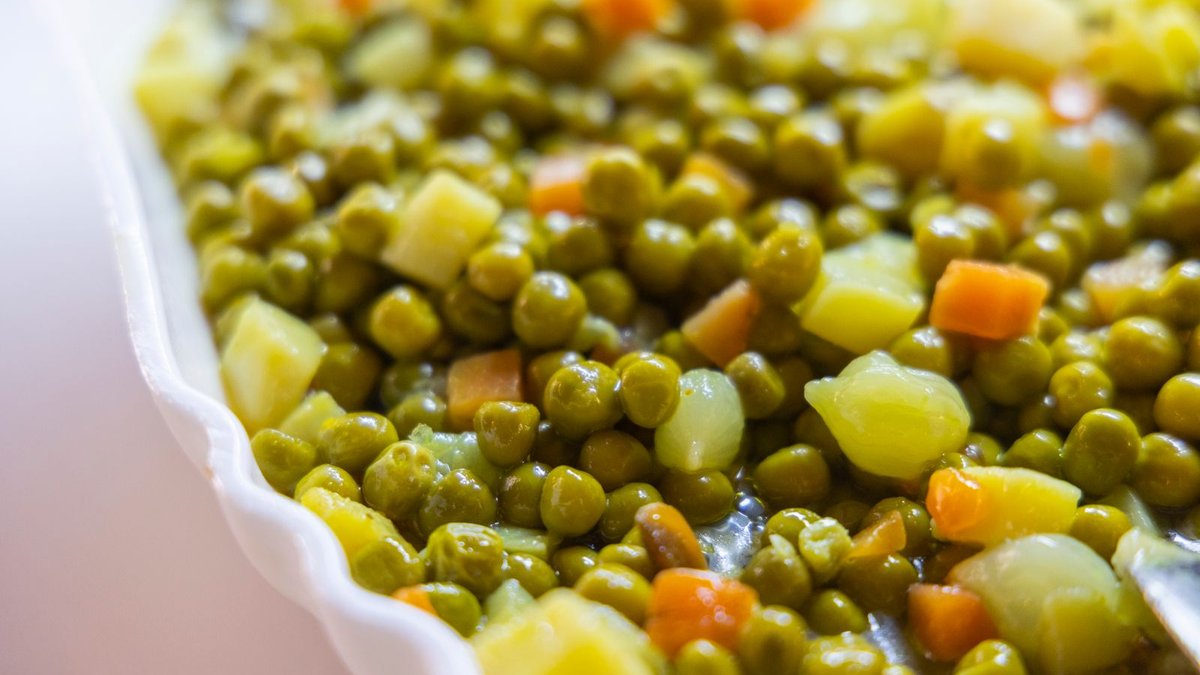
A bag from the freezer — not a shame, just Tuesday on the hob
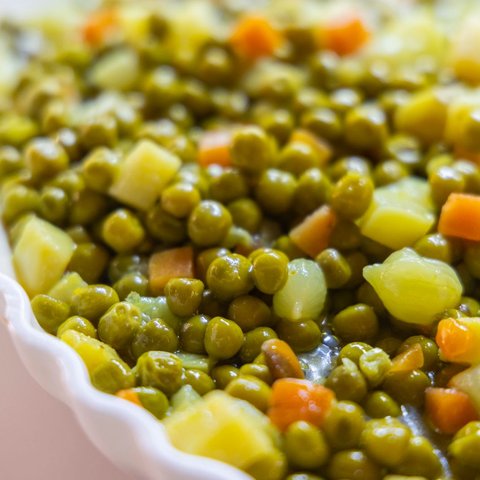
In Tesco I still take the peas and the mixed veg. Not because I failed the market. Because at six the children are hungry and the pan is already hot.
Herbs
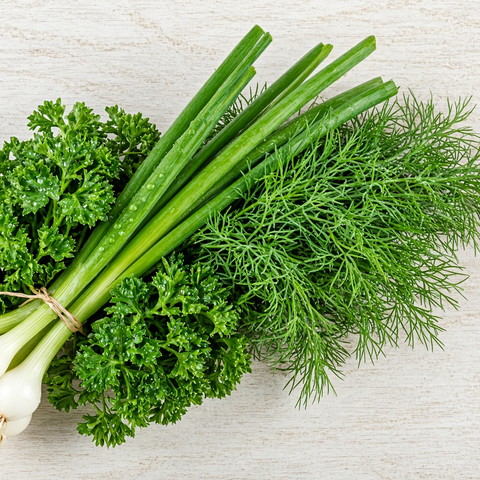
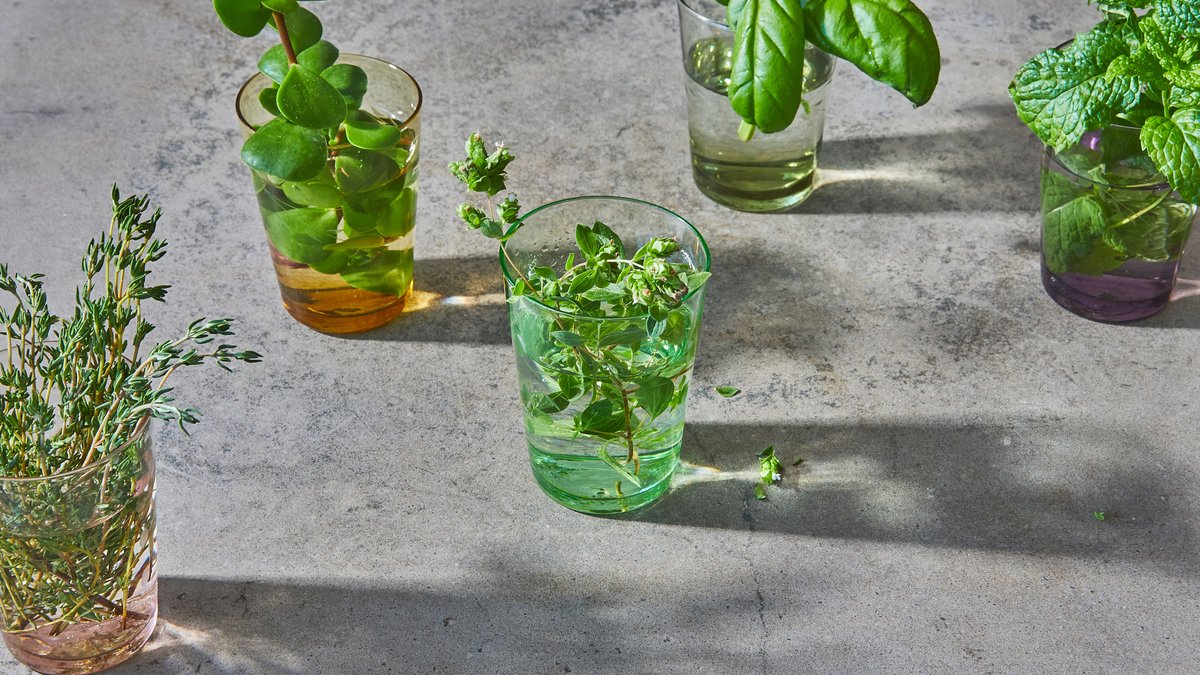
Dill in a glass of water — a bunch by the hob, not a bag in the drawer
From the shop near home I bring dill and parsley in plastic. Straight into a glass at home — otherwise by Wednesday they are limp and smell of fridge.