
Why I keep a jug of water on the table
There is almost always a jug on our table. Not for a pretty photograph. So that a hand can pour by itself, without getting up to the tap in the middle of a cutl
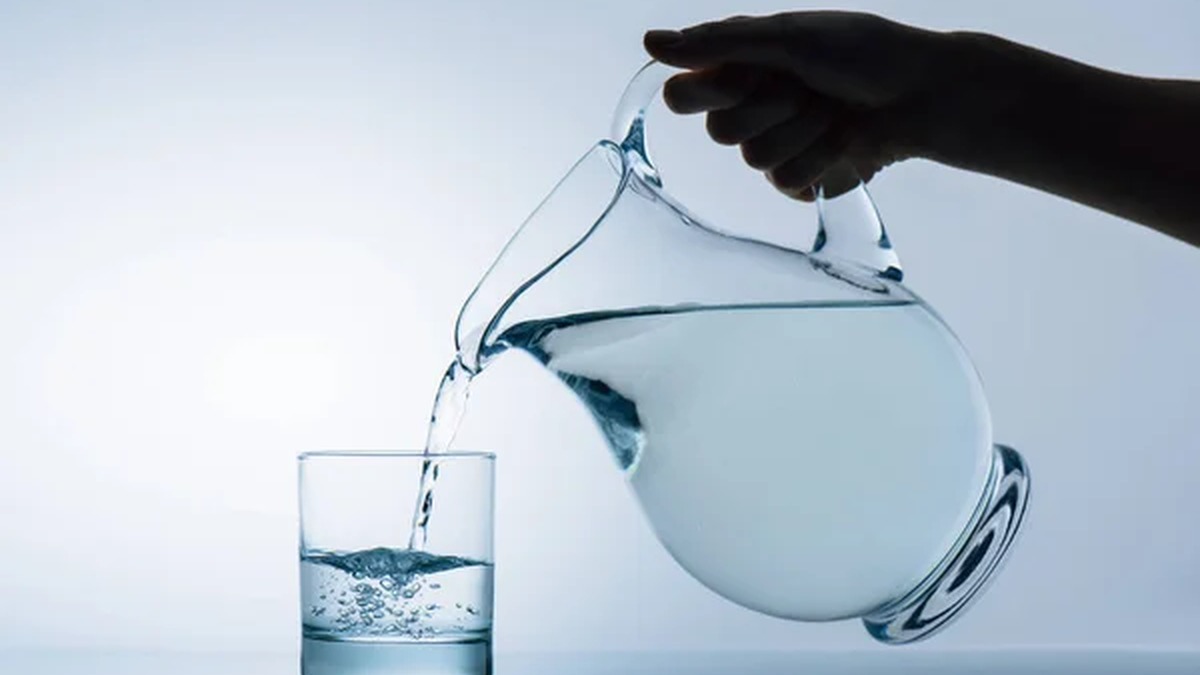
There is almost always a jug on our table. Not for a pretty photograph. So that a hand can pour by itself, without getting up to the tap in the middle of a cutlet. If water is not in sight, someone reaches for a sweet bottle from the cupboard. If the jug is standing there — they pour water. It is not a rule on a poster. It is part of the furniture of the meal.
I pour from the tap, sometimes through a filter if the limescale in the kettle has already worn me down. The water here is hard: the kettle rattles with white crust, a film sits on the mug. That is not a drama. That is England. I wash the jug every day, not once a week “when I remember”. A stale jug spoils even honest water: it smells of plastic and yesterday’s cucumber. With food I need water on the table. After salty potatoes and fried onion the mouth wants something clean. The children, if a glass is already poured and standing by the plate, drink between sentences. If I shout “drink water” — they drink less. I have already been through that.
In winter I sometimes put a slice of lemon in the jug, in summer a couple of mint leaves from the windowsill, if the mint has not given up yet. So that it smells and you want another sip. Fizzy water I buy rarely, for a festive table. For every day I do not need the bubbles: they take the place that ordinary water fills calmly. The kettle lives its own life — tea in the morning, tea again after being out — but at dinner I do not replace water with endless mugs of brew if it is already hot and filling. Tea is a separate story, in the evening, when the kitchen is washed and smells of washing-up liquid and the parsley on the window. I pour for guests at once, without asking ten times “perhaps juice”. Juice is allowed. The jug still stands in the middle, like the bread. To school, water goes in a simple bottle washed the evening before. A sweet carton in a rucksack teaches that you may drink only “with flavour”. I do not make a war out of one carton. I simply pour water more often, while the hand still remembers the tap, not the shop window.
I like this simple gesture: here is the food, here is the water, eat. Does water live on your table in a jug, in a bottle — or does everyone run to the tap one by one?
These are kitchen notes for adults, not medical advice.
Photo: Pixabay / Pexels — https://www.pexels.com/photo/fluid-pouring-in-pint-glass-416528/ (Pexels License (free commercial / social use))