
How I choose greens at the shop
At the shop near home I do not look at the price first — I smell.
First
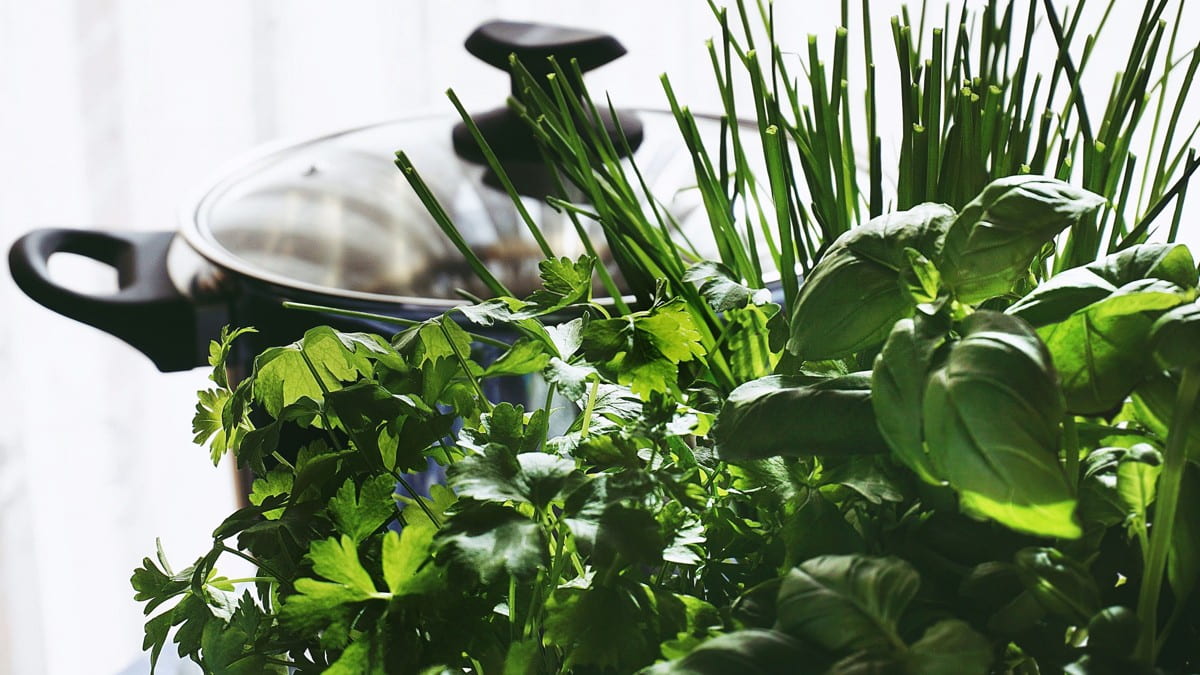
At the shop near home I don’t look at the price first — I smell. I open the bag carefully so the leaves don’t spill on the floor, and bring it to my face. Living parsley smells of stem and a little pepper; dead parsley smells only of fridge and wet paper. Dill, when it still has strength, tickles the nose so I suddenly want potatoes. Basil should smell as if it was just picked by a wall, not as if it slept in plastic.
Next
Lettuce I touch at the base: a crunch — I take it; slime — I don’t. Rocket shouldn’t shine with a sticky gloss. Spinach I open in the folds: dark mush at the bottom, and the bag stays on the shelf. By evening greens in bags often look cheerful; by morning they look sad, so I take little. Better a small bunch for today’s soup than a big one that turns into a swamp in the drawer in three days.
At home
At home I don’t hide the bunch in the far corner. I stand it in a jar of water like flowers, a bag loosely on top. I change the water every day. Yellow edges come off at once. When I make stock, parsley stems go in the pot; the leaves wait on the table until the last minute — with the steam the kitchen becomes itself. Spring onions I snip with scissors straight over the plate. Dill for fish I tear by hand.
At the end
If the greens have wilted a little — dry tips cut, cold water for twenty minutes, they often come back. A slimy leaf goes to compost, without pity. I don’t need twelve kinds of microgreens: parsley, dill, spring onion and sometimes basil are enough. In autumn there’s little light on the windowsill — one or two living bunches beat five sad ones. Which greens in your house last the week — and how do you save them?
Photo: Suzy Hazelwood, Pexels.
These are kitchen notes for adults, not medical advice.