
After zesting I wash the zester at once — I don't leave the teeth in shreds
The lemon or orange has already given its zest to the bowl — and on the zester teeth a thin yellow shred still sits. Easy to park it “on the board edge until the washing-up”: by morning the grooves are stone, the…
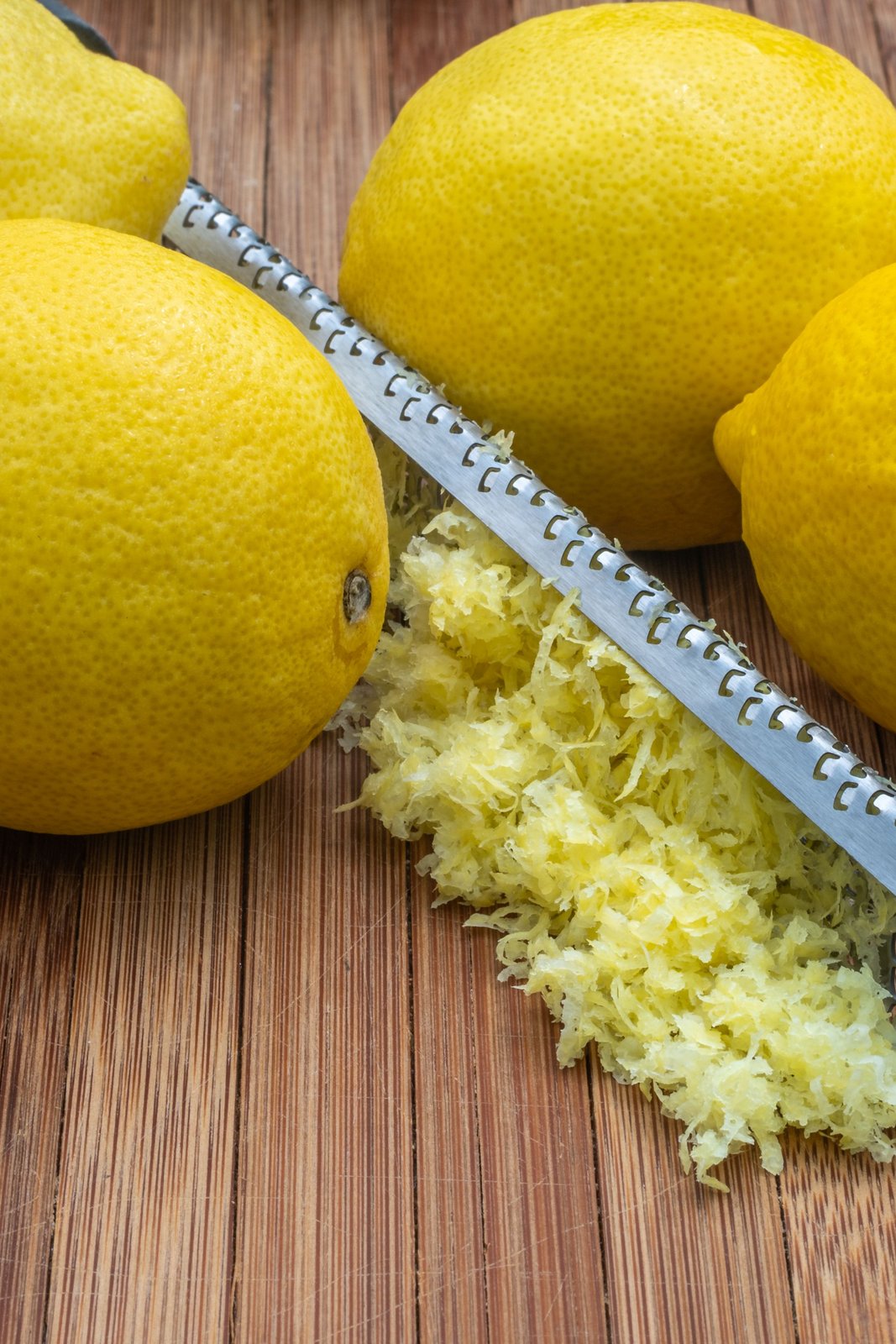
The lemon or orange has already given its zest to the bowl — and on the zester teeth a thin yellow shred still sits. Easy to park it “on the board edge until the washing-up”: by morning the grooves are stone, the drawer smells of peel, and the next lemon tears and slips. I wash it now under a warm stream, while the shred still gives, and stand it on its side to dry.
After zesting I wash the zester at once — I don't leave the teeth in shreds. The box grater after cheese is another note; zest then juice its own; frozen zest in a jar another story. Here it’s the narrow zester or microplane: only for citrus peel — not a neighbour in the drawer with yesterday’s crumbs.
If shreds have already settled in the teeth — warm water and a soft brush along the grooves, sometimes a toothpick, not a steel scourer on the metal. The oily film from the peel I wash off straight away so it doesn’t turn bitter. I don’t put it wet into a closed drawer — let it air-dry. I’m not choosing a new zester with a review in this note: it’s about the one that already lives by the board.
I don’t need a zester whose teeth are packed into yellow stone. I need a clean, dry one ready for the next zest for baking or a sauce. At yours after zesting do you wash the zester at once — or already in the morning hard shreds in the drawer?
Photo: Skyler Ewing / Pexels
These are kitchen notes for adults, not medical advice.