Soft cheese after the cut — foil pressed so it doesn’t dry
Brie or Camembert is already cut — and the hand leaves the cut bare on the board “still for bread”. Easy to forget: by morning the flesh is matte, the edge tougher, the smell already wrong. I press foil or parchment…
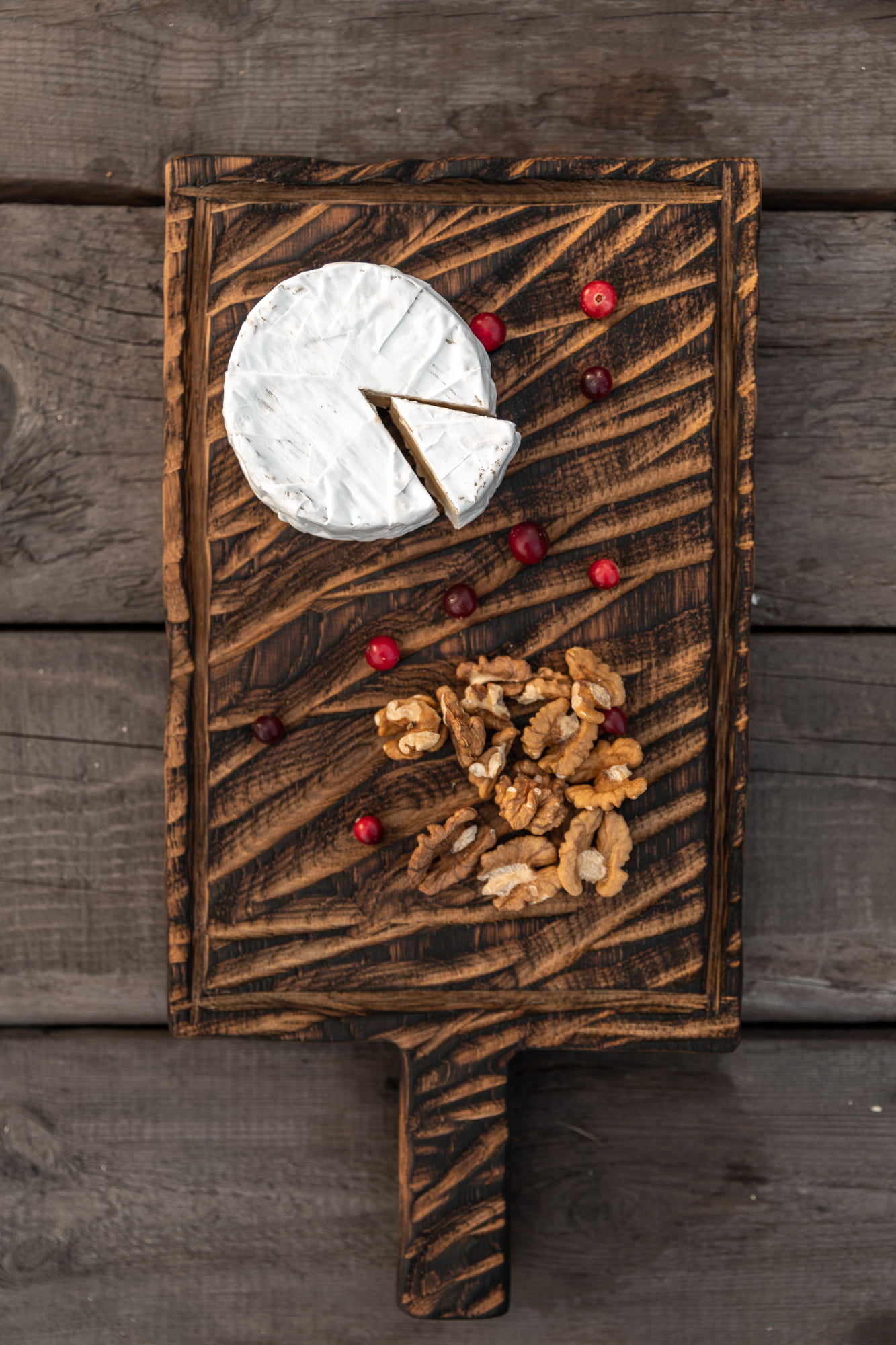
Brie or Camembert is already cut — and the hand leaves the cut bare on the board “still for bread”. Easy to forget: by morning the flesh is matte, the edge tougher, the smell already wrong. I press foil or parchment straight to the cut — so the soft cheese doesn’t dry in the air, not “wrapped somehow in a bag”.
Soft cheese after the cut — foil pressed to the cut so it doesn’t dry. Opened hard cheese in paper is another note; cheese I cut what we eat its own; butter in paper another story. Here it’s the soft round after the knife itself: foil to the cut, cold — not a lecture about “cheese etiquette”.
In the cold on a shelf, not by the onion and not in the door. If the cut is already dry — I trim thinly and eat on; foreign mould or a smell with no cheese left — bin. I’m not reviewing a new variety with a tasting in this note — it’s about the round already opened on our board.
I don’t need cheese that spends the night cut-side up and by morning becomes a shoe-sole. I need a cut under foil from which the smell still comes. At yours is soft cheese closed to the cut — or already drying bare until breakfast?
Photo: Katrin Bolovtsova / Pexels
These are kitchen notes for adults, not medical advice.