
Eggs — what I look at
In the shop I look at the shell: clean, no cracks, no slime. Freshness matters more than brown or white.
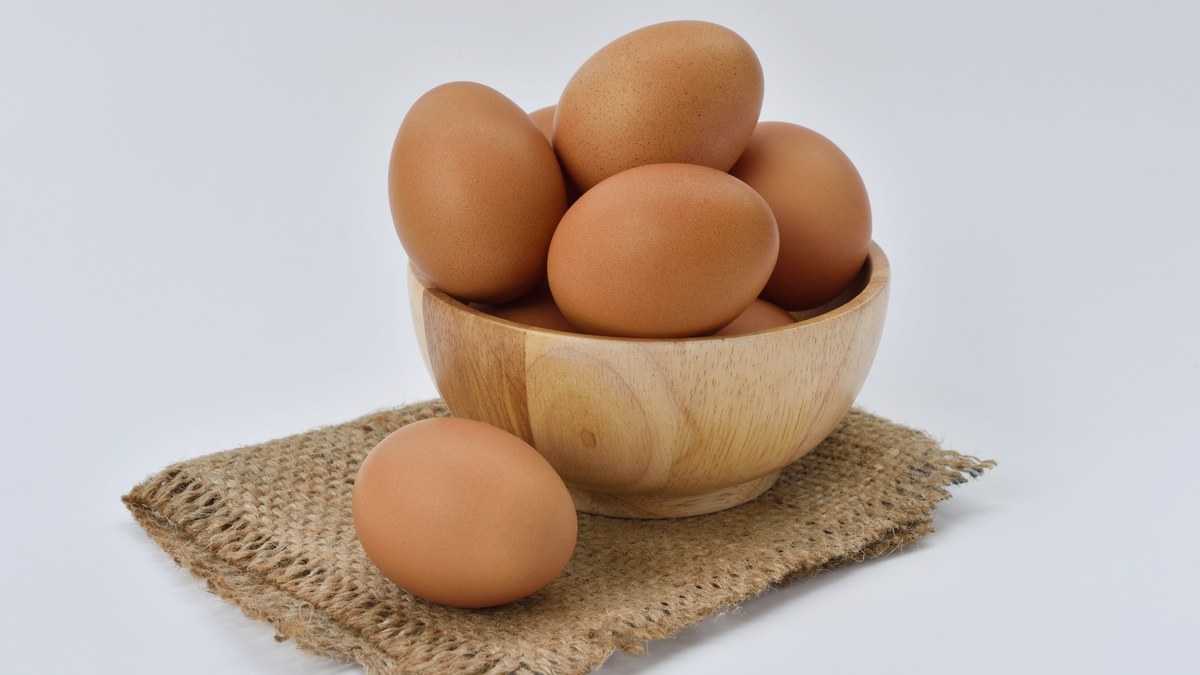
Eggs in my house are breakfast, a pie, cutlets, and sometimes just a soft-boiled egg when I do not want to decide anything. In the shop I look at the shell: clean, no cracks, no slime. Farm dirt happens — that is not always bad — but a crack in the box I do not need: everything extra comes through it.
From the stamp on the shell in England you can read a lot, if you have time to stand by the fridge. I look at the date and at how the eggs sit: not crushed, not in a puddle. Shell colour — brown or white — barely changes the taste for me. Freshness does, and how the egg smells when I crack it. A fresh one in the pan holds its shape, the yolk sits like a cap, the white does not flood to the edges. An old one spreads and smells sharp. If an egg stands on end in water, it is no longer for a fried egg; for baking it can sometimes still do, but I rarely play those games — it is simpler to take new ones. On the box I also look for cracks underneath: one broken egg spoils the neighbours.
At home I keep eggs in the fridge, in their own box, not in the door that slams a hundred times a day. Before baking they come onto the worktop, not straight from the cold into a hot pan. For an omelette cold ones will do; for batter they are better after a short rest. I crack into a cup, not straight into the bowl of flour: one doubtful egg will not ruin the whole cake. A fresh boiled egg is harder to peel — that is kitchen truth, not a story from the internet; for salad I take eggs that have sat a couple of days, and nobody stands angry at the sink. A sulphur smell from a hard-boiled egg often comes from cooking too long: I boil, I time it, I pour on cold water, no laboratory thermometer. For the children I serve eggs in different ways — an omelette with herbs, boiled with salt, fried next to a tomato — with no speeches about how good they are. A broken one at home goes straight into the pan or the batter; shell in the bin, hands washed.
That is not fear. It is so breakfast smells of butter and a warm pan, not of a surprise. Do you keep eggs in the fridge or on the worktop — and how do you tell they are still alive?
These are kitchen notes for adults, not medical advice.
Photo: Pixabay, Pexels.