
In winter I open the tin without shame
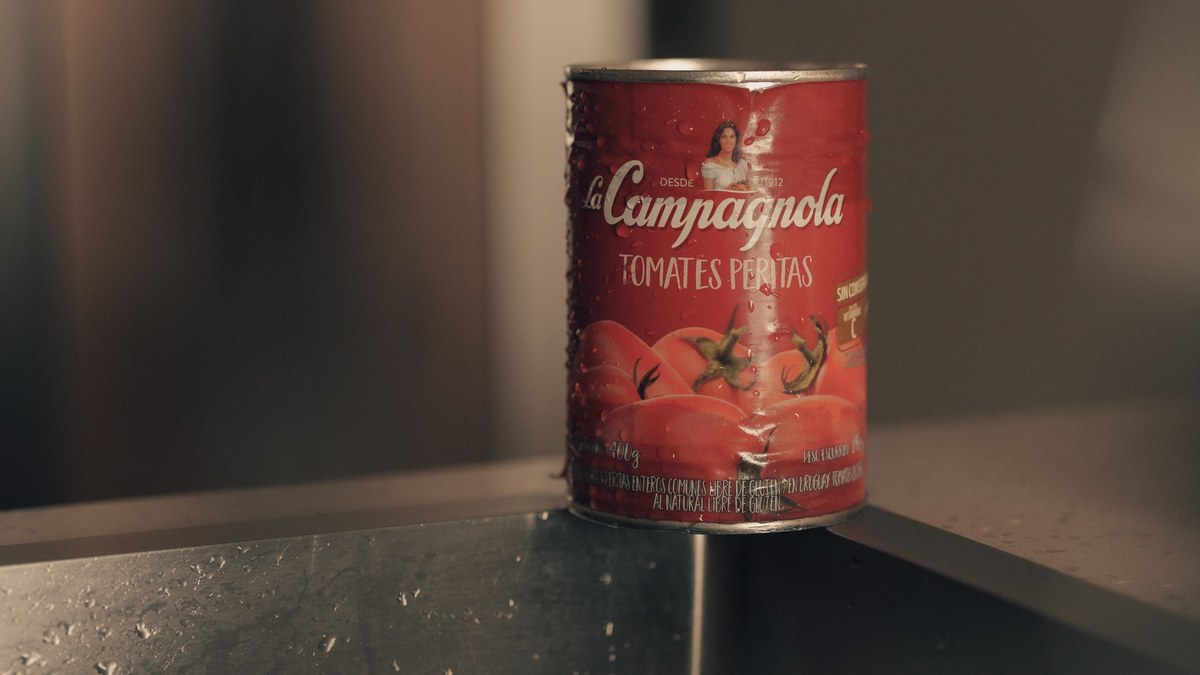
On the shelf a tin of chopped tomatoes, grey outside, the kettle already clicked. I take the opener — the pan needs a tomato, not a picture from July.
A grey day and a cold tin in the hand
On the shelf by the hob sits a tin of chopped tomatoes — not a superfood, ordinary Tesco or whatever was on offer. Outside it gets dark early, the sill is empty: no fresh tomato smelling of summer lives here right now. Onion already on the board, the pan smelling of oil. You can wait for a “proper” tomato from a picture and leave the pan cold. I take the opener. The tin is cold in the hand, the knife clicks the rim, the juice smells of summer in metal — sharp, warm, honest. That is not a defeat at the market. That is a Tuesday in a British kitchen, when the children will soon be at the door and supper must smell of food, not of an excuse.
What I read on the tin — and what I do not hide
I read the list briefly: tomatoes, juice, salt. Sometimes citric acid — fine. A long list of enhancers and five kinds of sugar — that tin stays on the shelf. I do not hide the tin behind the cereals as if it lost to a July tomato. The opener lives in the drawer with the spoons, not like evidence. In an English winter this is an honest shelf: a fresh tomato from Spain exists, yes, but often hard and scentless, while the tin already gives colour and acid to the pan in a minute. I do not lecture guests that “homemade is better”. I cook supper for six.
Where the juice goes while the onion hisses
Into the pan with soft onion — for a sauce with pasta or meatballs. Into the soup pot — a spoon or two so the stock is not grey. With fish in tomato — if the day has no fresh herbs, the tin still pulls the dish together. The hand pours juice and flesh while the onion hisses; I wipe the tin with a spoon and leave nothing “for later” by the sink — dried tomato smells of metal and of shame. The open tin goes straight into the fridge; I finish it in a day or two. I do not keep it a week for “one more spoon”: an odd sour smell appears — into the bin without argument. A tube of tomato puree is another spoon, on another shelf: thicker, for colour, not instead of a whole tin.
Short notes from this hob
- Short list — tomatoes, juice, salt; a long list — back on the shelf
- Opener in the drawer; the tin is not hidden behind the cereals
- Into the pan with onion, into soup — for colour and acid
- Once open — into the cold, finish in a day or two
- Blown or smelling of metal — into the bin, no tasting
What I do not do
I do not call the tin a “compromise” and I do not shame myself for a winter without a plot. I do not boil a “detox soup” from the tin or count lycopene on a calculator. I do not buy ten expensive “organic” tins at three pounds each if an ordinary one smells fine and the list is honest. And I do not pretend every February tomato on the counter beats the tin: sometimes it does, often it does not. Nose and eye decide. If the tin is blown or smells sharply of metal — I do not taste it “just in case”.
From this same kitchen
I already wrote about onion on the pan in onions and garlic that haven’t died in the bowl, and about the pot in a pot on the hob makes the house lived-in. A tin of tomatoes sits well with pasta and meatballs from the site. The rest of the kitchen notes sit beside them.
Photo: Guillermo Berlin, Pexels.
These are kitchen notes for adults, not medical advice.